libros de la biblia en pdf

libros de la biblia en pdf
PDF Bible books offer digital access to scripture, enabling portable study and research. They combine traditional text with modern formatting, allowing search, highlighting, and cross‑referencing. Users appreciate the convenience and flexibility of on‑device reading. It supports languages now and is shared.
What Are PDF Bible Books?
PDF Bible books are digital compilations of biblical texts formatted in Portable Document Format, a file type that preserves layout, typography, and hyperlinks across devices. They encompass the full canon, from Genesis to Revelation, and often include study aids such as footnotes, cross‑references, and concordances. Because PDFs are platform‑agnostic, a single file can be opened on Windows, macOS, Linux, iOS, or Android without losing fidelity. Users can zoom, search, and annotate, making it ideal for personal devotion, academic research, or group study. Many publishers release PDFs in multiple translations, allowing comparative reading side by side. The format’s fixed layout ensures that chapter headings, verse numbers, and decorative elements remain consistent, which is crucial for accurate citation and teaching. Additionally, PDFs support embedded metadata, enabling search engines to index verses and themes. For those who prefer a tactile experience, PDFs can be printed in high resolution, producing crisp, durable copies. Overall, PDF Bible books blend the reliability of traditional scripture with the convenience of modern technology, offering a versatile resource for believers worldwide. These PDFs are often accompanied by searchable indices, allowing quick navigation to key passages. They also support bookmarking, which helps users track their progress through long studies or devotional plans. With cloud synchronization, readers can access the same annotated copy across multiple devices, ensuring continuity and ease of use. Thus, PDFs link past and present.!
Advantages of PDF Format
PDF format offers numerous benefits for Bible study. Its fixed layout preserves original typography, ensuring that chapter titles, verse numbers, and decorative elements appear exactly as intended, regardless of device or screen size. The file is lightweight yet highly compressed, allowing quick downloads even on limited bandwidth. Searchability is a major advantage; users can instantly locate specific verses, names, or phrases using the built‑in search tool. Hyperlinks embedded within the text enable seamless navigation between books, chapters, and cross‑references, making comparative study effortless. Annotation tools integrated into many PDF readers let readers highlight passages, add notes, and bookmark key sections without altering the original file. This non‑destructive editing preserves the integrity of the text while providing a personalized study experience. PDFs support metadata, which can be indexed by search engines, making it easier to find specific passages online. The format is platform‑agnostic, meaning the same file works on Windows, macOS, Linux, iOS, Android, and even on e‑ink readers that support PDFs. Printing is straightforward; high‑resolution PDFs produce crisp, legible copies suitable for study groups or personal devotion. Security features such as password protection and digital signatures can safeguard the document against unauthorized changes. Finally, PDFs can be stored in cloud services, enabling access from anywhere and ensuring that annotations and bookmarks sync across devices. These features combine to make PDF Bible books a powerful tool for modern readers, blending tradition with technology, readers,

Legal Considerations for PDF Bible Books
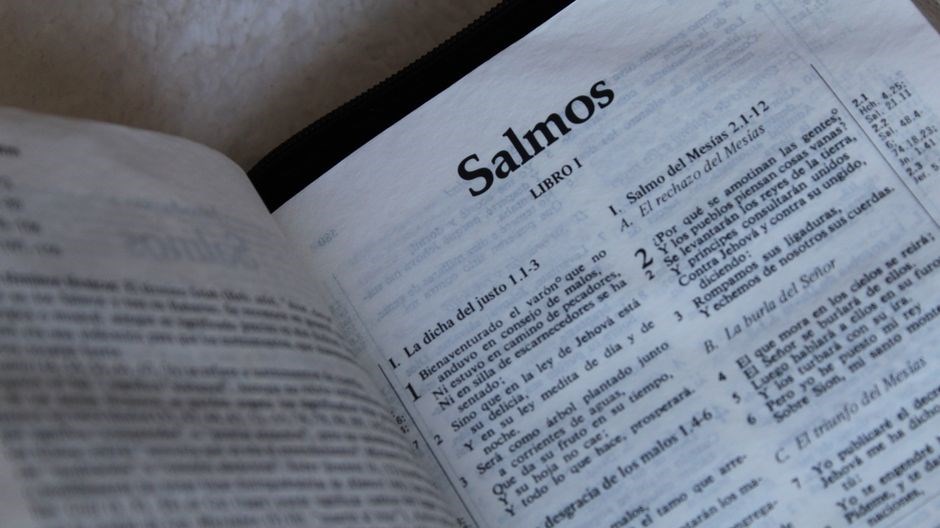
Legal aspects of PDF Bible books hinge on copyright status and public domain. Older translations like the KJV are free, while newer editions require licensing. Users must verify permissions before distribution, respecting author rights and avoiding infringement. Proper attribution and licensing agreements are essential. for all now
Copyright Laws and Public Domain
PDFBiblebooks allow digital access to scripture, merging traditional text with modern formatting. They support search, highlighting, and cross‑referencing, making study easier. Users appreciate portability and convenience. Legal status depends on the edition: older translations like the 1611 King James Version are publicdomain, while newer versions such as the New International Version are copyrighted. Copyright law protects the expression of ideas, not the underlying biblical narrative. Thus, the wording, footnotes, and editorial choices of a translation are protected. In the United States, works published after 1923 are protected for 95 years from publication. For a PDFBible book, the key question is whether the specific edition contains any copyrighted material. If it includes a translation, you must ensure you have the appropriate license or that the distributor has obtained permission. Public‑domain editions can be freely shared, but they may lack updated language, study aids, or cross‑referencing features. This ensures compliance now!! When downloading or sharing PDFBible books, verify the source’s licensing terms. If the text is marked as public domain, you can safely use it for personal study, educational projects, or even commercial distribution today! Respecting copyright protects translators and publishers and ensures the integrity and quality of the biblical text for future readers. By staying informed about the legal status of the specific PDFBible books you use, you can enjoy digitalscripture while staying compliant with intellectual‑property laws.

Licensing and Permissions
For public‑domain editions, such as the 1611 King James Version, the text is free to reproduce, distribute. However, modern translations like the New International Version, the English Standard Version, or the New Revised Standard Version are protected by copyright, you must obtain a license from the rights holder, which may involve a fee. Many publishers offer digital licenses that allow individuals to download, print, or share the PDF for personal study, but they often prohibit commercial use or redistribution. Some organizations provide non‑commercial licenses for educational purposes, but they and the restrict modifications. When converting a printed Bible into a PDF, you must also consider the source material’s copyright. If the source is a public‑domain edition, the conversion is typically permissible. If the source is copyrighted, you need permission from the publisher. Additionally, some PDFs include supplementary materials—such as commentaries, maps, or study notes—that may have separate licenses. Always read the terms of use and check for any embedded license statements. Failure to comply can lead to infringement claims, fines, or removal of the PDF from distribution platforms. Therefore, before sharing or selling a PDF Bible book, verify the translation’s status, secure the appropriate license, and respect any attribution or usage restrictions. This approach ensures users respect intellectual property today digital access now?! Such platforms allow users to annotate, discuss, and share insights together online in real time.

Popular PDF Bible Versions and Their Books
Popular PDF Bible versions include the public‑domain King James Version, the widely used New International Version, and the modern English Standard Version. Each offers full books, searchable text, and cross‑references for study and devotion. These PDFs are freely downloadable from reputable sites, audio maps
King James Version (KJV)
The King James Version, first published in 1611, remains a cornerstone of English biblical literature. Its poetic language and rhythmic cadence have shaped religious thought for centuries. PDF editions preserve the original text while adding modern conveniences such as searchable indices, cross‑references, and footnotes. Scholars and lay readers alike appreciate the faithful rendering of the original Hebrew, Aramaic, and Greek manuscripts. Digital PDFs allow instant access to every book, from Genesis to Revelation, enabling quick lookup of verses and thematic studies. The public‑domain status of the KJV means that high‑quality PDFs can be freely distributed, ensuring that anyone with an internet connection can download a complete, unaltered copy. Many online repositories host versions that include the original 1611 layout, complete with chapter headings and verse numbers. Others provide enhanced editions featuring annotations, commentary, and concordances. Users can customize the reading experience by adjusting font sizes, choosing dark‑mode backgrounds, or exporting selected passages for study notes. The KJV’s enduring popularity is reflected in its widespread use in liturgy, preaching, and personal devotion. Its influence extends beyond the church, appearing in literature, music, and popular culture. Whether you are a scholar seeking textual fidelity or a casual reader exploring spiritual themes, the KJV PDF offers a reliable, accessible resource that bridges the past and present.
Because the KJV is in the public domain, many digital libraries provide scans that retain the typographic style, including fonts and headings. Users can also find annotated PDFs with scholarly footnotes cross‑references to other biblical books, and concordance indexes making it a versatile tool for devotional reading and academic research.

New International Version (NIV)
The New International Version, first released in 1978 and updated in 2011, offers a contemporary, readable translation that balances literal accuracy with dynamic equivalence. Its language is designed for modern readers, making complex theological concepts accessible without sacrificing depth. PDF editions of the NIV provide a clean, searchable format that supports quick verse lookup, cross‑references, and note‑taking. Because the NIV is under copyright, most free PDFs are provided by licensed distributors or through official church channels. Users can download official PDFs from the NIV website or authorized partners, ensuring that the text remains unaltered and free of malware. Many digital libraries also host scanned copies that preserve the original layout, including chapter headings, verse numbers, and footnotes. For scholars, the NIV PDF often includes extensive footnotes, textual variants, and study aids that facilitate deeper exegesis. Devotees appreciate the modern diction, which allows them to relate biblical passages to contemporary life. The NIV’s popularity in churches worldwide is reflected in its use in sermons, bible studies, and personal devotionals. Its widespread availability in multiple languages and formats, including audio and mobile apps, demonstrates its adaptability to diverse learning styles. Whether you are a student, pastor, or casual reader, the NIV PDF offers a reliable, engaging resource that bridges ancient scripture with present‑day understanding. Its translation remains a staple in modern worship and study. Thanks

How to Download PDF Bible Books Safely

Download PDF Bible books from trusted sites, verify digital signatures, and scan files with antivirus software. Use official church portals or reputable libraries, avoid unknown links, and keep your device updated to protect against malware. Always respect copyright and licensing terms. Secure downloads now.
Trusted Sources and Repositories
When seeking PDF versions of biblical texts, it is essential to rely on reputable platforms that uphold accuracy, authenticity, and legal compliance. The following repositories are widely recognized for their commitment to scholarly standards and user safety:
- Christian Classics Ethereal Library (CCEL) – Specializes in theological works and biblical commentaries. PDFs are available under Creative Commons licenses, and the site offers a search function for quick access.
- Library of Congress Digital Collections – Features digitized manuscripts and early printings of biblical texts. The institution’s rigorous preservation protocols ensure high‑quality, authentic PDFs.
- World Digital Library – Curates cultural heritage documents, including biblical manuscripts from global archives. PDFs are accompanied by descriptive metadata and provenance information.
These repositories also provide multilingual options, detailed footnotes, and cross‑referencing tools for scholars and lay readers today.!
To verify the integrity of a downloaded file, compare the SHA‑256 checksum provided by the repository with the one generated on your local machine. Additionally, cross‑check the text against a trusted reference edition to confirm that no alterations or corruptions have occurred during the download process. By adhering to these guidelines, users can confidently access PDF Bible books while respecting intellectual property and maintaining scholarly rigor.
Security Checks and Virus Scanning
Downloading PDF Bible books from the internet demands rigorous security protocols to protect devices and personal data. The first step is to use a reputable antivirus or anti‑malware suite that scans every file before opening. Most modern programs offer real‑time protection, automatically detecting malicious code embedded in PDFs, such as hidden scripts or macro attacks. After the initial scan, verify the file’s hash value against the checksum provided by the source. A mismatch indicates tampering or corruption, and the file should be discarded. Additionally, use a sandbox environment or a virtual machine to open unfamiliar PDFs, isolating any potential threats from the main operating system. Many libraries and repositories now provide a digital signature or a PGP key; verifying this signature confirms that the file originates from the stated author or institution. Finally, keep your operating system, PDF reader, and security software up to date, as new vulnerabilities are discovered daily. By following these layered defenses, you can safely read and study PDF Bible books without compromising your device or privacy.
In addition, always verify the digital certificate of the PDF file, if available, to ensure it has not been altered. If the certificate is invalid or missing, exercise caution and consider obtaining the text from a source. Regularly update your PDF reader to mitigate known exploits targeting older rendering engines. Staying vigilant, you safeguard both your data and the biblical text.

Organizing and Reading PDF Bible Books
Organizing PDF Bible books involves creating folders by version, language, or theme. Use a PDF reader that supports bookmarks, annotations, and search. Tag passages, highlight verses, and sync notes across devices. Regularly back up files to cloud storage for easy access. Sync across devices for study daily.
Using PDF Readers and Annotation Tools
Choosing the right PDF reader is essential for an efficient Bible study experience. Popular options such as Adobe Acrobat Reader, Foxit Reader, and SumatraPDF offer robust search functions, enabling quick verse lookup by book, chapter, or keyword. Mobile readers like iBooks, Google Play Books, and the dedicated Bible app on iOS provide touch‑based annotation, allowing users to highlight, underline, and add notes directly on the page.
Annotation tools enhance comprehension by letting readers mark key passages, add personal reflections, and create color‑coded themes. Most readers support sticky notes, which can be moved and resized, and some allow embedding hyperlinks to cross‑references or external resources. The ability to export annotations to a separate file or sync them via cloud services ensures continuity across devices.
For collaborative study, many PDF readers offer shared annotation features. Users can share annotated PDFs through email or cloud links, and some platforms support real‑time collaboration, letting multiple participants edit notes simultaneously. This is particularly useful for small study groups or church classes.
Advanced readers provide scripting or macro capabilities, enabling automated tasks such as generating a study guide from highlighted verses or compiling a index. These features are valuable for scholars or teachers preparing lesson plans. Additionally, some readers integrate with note‑taking apps like Evernote or OneNote, allowing transfer of insights and
Creating Study Guides and Indexes
Creating a structured study guide from a PDF Bible book involves several steps that transform raw scripture into a usable learning tool. First, import the PDF into a reader that supports exporting annotations. Highlight key verses, themes, or doctrinal points using distinct colors. Then, export the annotations to a CSV or text file, preserving the reference format (e.g., “John 3:16”).
- Organize verses by topic: use the exported list to group verses under headings such as “Faith,” “Grace,” or “Covenant.”
- Build an index: for each verse, note its chapter, book, and page number. Many PDF readers can auto‑generate page numbers, which you can import into a spreadsheet.
- Insert cross‑references: add links to related passages. Some PDF editors allow embedding hyperlinks that open directly to the target verse when clicked.
- Compile a study guide: combine the index, annotations, and cross‑references into a single document. Use a word processor or LaTeX to format headings, bullet points, and footnotes.
- Export the guide as PDF or EPUB for sharing. Ensure that the final file retains all links and highlights for interactive study.
By following this workflow, you can turn a static PDF Bible into a dynamic, searchable study resource that supports personal devotion, group discussion, and academic research.
Customizing your guide can involve adding images, footnotes, or sidebars that contextualize verses. Many PDF editors allow embedding graphics or codes linking to audio readings, enhancing multimedia learning new.