coffee grinding guide
coffee grinding guide
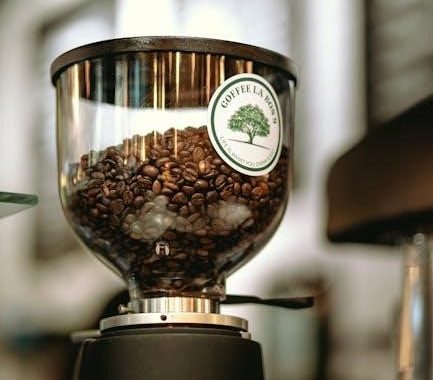
Coffee grinding is a fundamental step in preparing quality coffee‚ directly impacting flavor and aroma. Understanding grind size and techniques ensures optimal extraction for any brewing method.
Why Grinding Your Own Coffee Matters
Grinding your own coffee beans ensures freshness‚ flavor‚ and aroma. Pre-ground coffee loses its vibrancy quickly due to exposure to oxygen‚ while freshly ground beans retain their full profile. Grinding at home allows you to tailor the size to your brewing method‚ optimizing extraction and flavor. It also gives you control over the quality and origin of your beans. Plus‚ it reduces waste and saves money compared to buying pre-ground coffee. The difference in taste and aroma is significant‚ making it a simple yet impactful step to elevate your coffee experience.
Overview of the Coffee Grinding Process
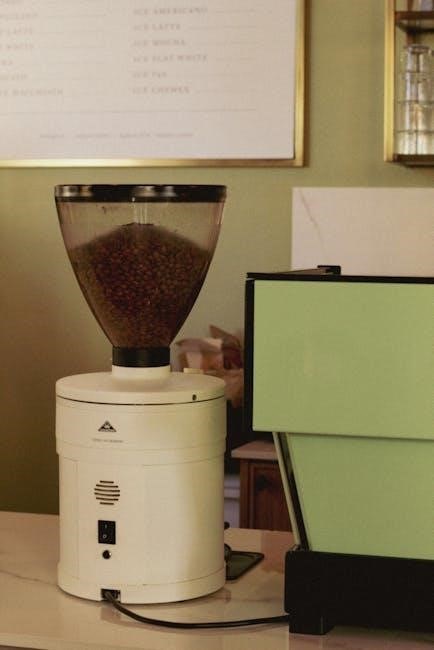
The coffee grinding process involves transforming whole beans into grounds suitable for brewing. It begins with selecting high-quality beans and determining the desired grind size based on the brewing method. Next‚ beans are placed into a grinder‚ which uses blades or burrs to break them down. Adjusting the grinder ensures the correct particle size. Proper technique ensures consistency and prevents overheating‚ which can damage beans. Finally‚ the grounds are ready for brewing‚ retaining their flavor and aroma. Regular cleaning and maintenance of the grinder are essential for optimal performance and freshness.
Understanding Coffee Grind Size
Coffee grind size significantly impacts extraction and flavor. Proper grind ensures balanced extraction‚ with too fine causing bitterness and too coarse leading to weak‚ under-extracted coffee.
The Importance of Grind Size in Flavor Extraction
The grind size of your coffee beans plays a crucial role in flavor extraction. A grind that’s too fine can lead to over-extraction‚ resulting in bitterness‚ while a coarse grind may under-extract‚ leaving the coffee tasting weak. The ideal grind size ensures balanced extraction‚ allowing the desired flavors and oils to be released without overpowering the brew. Different brewing methods require specific grind sizes to achieve optimal flavor. For instance‚ espresso demands a fine grind‚ while French press needs a coarse grind. Adjusting the grind size according to your brewing method is essential for a flavorful cup of coffee.
The Science Behind Coffee Extraction and Grind Size
Coffee extraction is a process where water dissolves the soluble compounds in coffee beans. Grind size directly impacts this process by affecting the surface area and water flow. Finer grinds increase surface area‚ accelerating extraction‚ while coarser grinds slow it down. The optimal grind size balances extraction time and water flow to prevent under or over-extraction. Over-extraction leads to bitterness‚ while under-extraction results in a weak‚ sour taste. The science lies in controlling solubility and diffusion rates‚ ensuring the desired flavors are released evenly. This balance is key to achieving a perfectly brewed cup of coffee.
How Different Roast Levels Affect Grind Size
Different coffee roast levels influence the optimal grind size due to variations in bean density and structure. Lighter roasts are harder and denser‚ requiring a slightly finer grind to ensure proper extraction. Darker roasts are softer and more brittle‚ making them easier to grind but more prone to over-extraction if ground too fine. Medium roasts strike a balance‚ offering flexibility in grind size. Adjusting grind size based on roast level ensures even extraction and prevents under or over-extraction. This balance is crucial for achieving the desired flavor profile in your brewed coffee.

Popular Coffee Brewing Methods and Grind Sizes
- Drip brewing: medium grind for balanced extraction.
- French press: coarse grind for bold flavors.
- Espresso: fine grind for concentrated shots.
- Pour-over/Chemex: medium-coarse grind for clean cups.
- Cold brew: extra coarse grind for smooth extraction.
Drip Brewing: The Ideal Grind Size
Drip brewing requires a medium grind size for optimal flavor. A medium grind ensures even extraction‚ as water flows through the coffee grounds uniformly. If the grind is too fine‚ it can lead to over-extraction and bitterness‚ while a coarse grind may result in under-extraction and a weak cup. The ideal grind size for drip brewing is comparable to kosher salt or slightly coarse sand. This consistency allows the water to flow through the filter at the right pace‚ balancing the extraction and delivering a smooth‚ full-bodied coffee. Using a burr grinder is recommended for precise control over the grind size.
French Press: Coarse Grind for Optimal Flavor
French press brewing thrives on a coarse grind‚ as it allows for the perfect balance of immersion and extraction. A coarse grind ensures the coffee grounds don’t pass through the press’s filter‚ preventing a gritty texture. The coarse texture also enables even steeping‚ which is crucial for the rich‚ bold flavor French press is known for. The ideal grind size is slightly coarser than kosher salt. This consistency allows the coffee to steep properly‚ extracting flavors without over-extracting‚ resulting in a smooth‚ full-bodied cup. Using a burr grinder is best for achieving this precise grind size consistently.
Espresso: Fine Grind Requirements
Espresso demands a very fine grind due to the high-pressure extraction process. A fine grind ensures proper water flow and balanced extraction‚ avoiding under or over-extraction. Burr grinders are ideal for achieving this consistency‚ as blade grinders can create uneven particles. The grind should resemble fine sand‚ slightly finer than table salt. Adjustments may be needed based on the espresso machine and roast level. Too fine a grind can lead to over-extraction and bitterness‚ while too coarse may result in a weak or sour shot. Precision is key to achieving the perfect espresso with a rich‚ creamy texture and vibrant flavor profile.
Pour-Over and Chemex: Medium-Coarse Grind
Pour-over and Chemex brewing methods require a medium-coarse grind for optimal extraction. This grind size allows water to flow evenly through the coffee grounds‚ ensuring a balanced flavor. The grind should be slightly coarser than kosher salt‚ with a texture that prevents channeling and over-extraction. A burr grinder is recommended for consistency‚ as blade grinders can create uneven particles. Adjusting the grind size based on the specific brewer and personal taste is essential. A medium-coarse grind ensures a clean‚ smooth cup with bright acidity and a full body‚ making it ideal for these manual brewing techniques that emphasize nuance and quality.
Cold Brew: Extra Coarse Grind
Cold brew coffee requires an extra coarse grind to ensure proper extraction during the long steeping process. The coarse texture prevents over-extraction and bitterness‚ allowing for a smooth‚ low-acidity flavor. Grind size should resemble coarse kosher salt or small pebbles‚ which enables even water flow and balanced extraction. Blade grinders may not achieve this consistency‚ so a burr grinder is ideal. Steeping coarse grounds for 12–24 hours results in a rich‚ full-bodied brew. This grind size is critical for cold brew‚ as finer particles would lead to over-extraction and a less desirable flavor profile. Freshly ground beans enhance the overall quality of the brew.
Choosing the Right Coffee Grinder
Choosing the right coffee grinder is essential for achieving optimal flavor. Consider burr or blade grinders‚ focusing on consistency‚ durability‚ and ease of use for superior coffee quality.
Blade vs. Burr Grinders: Key Differences
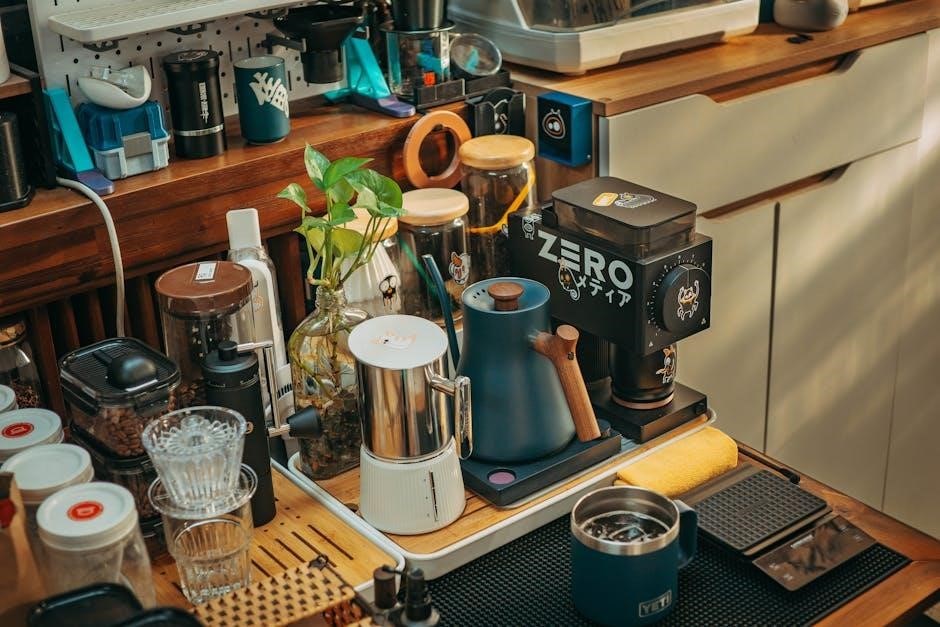
Blade grinders use spinning blades to chop coffee beans‚ offering an affordable and compact option. However‚ they can generate heat and produce uneven grinds‚ potentially affecting flavor. In contrast‚ burr grinders crush beans with abrasive surfaces‚ ensuring consistent grind sizes and minimal heat production‚ which preserves coffee quality. They are quieter and offer adjustable settings but are more expensive and require maintenance; Blade grinders are ideal for casual use‚ while burr grinders are preferred by enthusiasts seeking better flavor control. The choice hinges on balancing convenience‚ cost‚ and coffee quality.
Manual vs. Electric Grinders: Pros and Cons
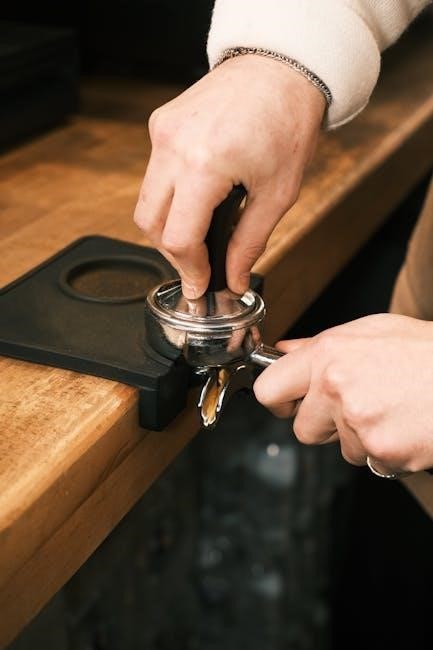
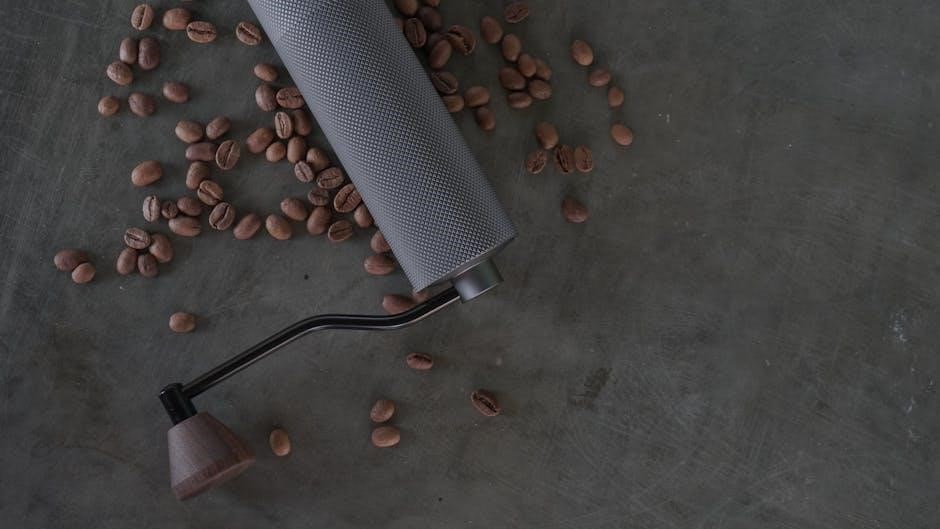
Manual grinders are cost-effective‚ portable‚ and produce consistent grinds with manual effort. They are ideal for small batches and offer precise control over grind size. However‚ they require time and physical effort. Electric grinders are faster‚ convenient‚ and suitable for daily use‚ often featuring adjustable settings and large capacities. They are more expensive but save time. Manual grinders are great for enthusiasts who value precision and traditional methods‚ while electric grinders cater to those seeking efficiency and convenience. The choice depends on lifestyle‚ budget‚ and brewing habits‚ balancing convenience with the joy of manual grinding.
Top-Rated Coffee Grinders for Home Use
For home use‚ top-rated coffee grinders include the Breville Smart Grinder Pro‚ known for its precision and customizable settings. The Baratza Encore is a favorite among coffee enthusiasts for its consistent grinds and durability. The Cuisinart DBM-8 offers excellent value with its compact design and ease of use. These grinders are praised for their ability to deliver fresh‚ flavorful coffee. Each model caters to different needs‚ whether you prioritize affordability‚ advanced features‚ or simplicity. Investing in a high-quality grinder enhances your coffee experience and ensures optimal flavor extraction.
Tips for Optimal Coffee Grinding
Use fresh‚ high-quality beans and store them properly to preserve flavor. Clean your grinder regularly to prevent old grounds from affecting taste. Always grind just before brewing for the best results.
How to Adjust Grind Size for Different Brews
Adjusting grind size is key to achieving optimal flavor in various brewing methods. For espresso‚ a fine grind ensures proper extraction under pressure. Drip brewing requires a medium grind to allow steady flow‚ while French press needs a coarse grind to prevent over-extraction. Pour-over and Chemex methods call for a medium-coarse grind for balanced extraction. Cold brew demands an extra-coarse grind to avoid over-steeping. Use a burr grinder for consistency and adjust based on the brewing time and desired strength. Testing the grind by touch or flow can help perfect your setup.

The Role of Coffee Bean Freshness in Grinding
Coffee bean freshness plays a crucial role in grinding. Freshly roasted beans are harder and produce a more consistent grind‚ while older beans become softer and may result in uneven particles. For optimal flavor‚ grind beans within 1-2 weeks of roasting. Fresh beans release more oils during grinding‚ enhancing aroma and taste. Grinding immediately before brewing ensures maximum freshness and prevents stale flavors. Stale beans can lead to under-extraction or bitter notes. Always store beans in an airtight container to preserve freshness and flavor potential.
Storing Ground Coffee Properly

Proper storage of ground coffee is essential to preserve flavor and aroma. Use an airtight container to prevent exposure to air‚ moisture‚ and light. Glass or ceramic containers are ideal‚ as metal can impart flavors. Store in a cool‚ dark place‚ such as a pantry or cupboard. Avoid refrigerating or freezing for short-term use‚ as it can introduce moisture and odors. For longer storage‚ freezing is better than refrigerating‚ but grind only what you need. Ground coffee loses quality faster than whole beans‚ so use within a week for optimal taste.
Coffee Grinder Maintenance and Cleaning
Regular cleaning and maintenance ensure optimal performance. Use a soft brush or grind rice to remove residue and oils. Descale electric grinders periodically and lubricate burrs if needed.

How to Clean Your Coffee Grinder
Cleaning your coffee grinder regularly prevents old coffee oils and residue from affecting flavor. Start by unplugging the grinder for safety. Use a soft brush or cloth to remove loose grounds from the burrs and chambers. For deeper cleaning‚ grind 1-2 tablespoons of rice or breadcrumbs to absorb oils and particles. Discard the rice and wipe down all parts with a damp cloth. For electric grinders‚ check for removable parts and wash them with mild soap. Dry thoroughly before reuse. Avoid harsh chemicals‚ as they can damage components or leave odors. Regular cleaning ensures consistent grind quality and prevents bacterial growth.
Maintenance Tips for Long-Lasting Performance
Proper maintenance ensures your coffee grinder performs optimally over time. Regularly lubricate burrs to reduce friction and prevent wear. Check and align burrs periodically to maintain consistent grind sizes. Replace worn or dull burrs‚ as they can lead to uneven grinding. Store the grinder in a dry place to avoid rust or corrosion. Avoid grinding very hard substances‚ like nuts‚ as they can damage the mechanism. Allow the grinder to cool between uses to prevent overheating. By following these tips‚ you’ll extend the lifespan of your grinder and ensure it delivers consistent results for years to come.
Common Mistakes to Avoid
Improper storage of beans‚ infrequent grinder cleaning‚ and not adjusting grind size for different brew methods are common errors that can negatively impact coffee quality and flavor;
Over-Grinding and Under-Grinding: Effects on Flavor
Over-grinding leads to a fine powder‚ causing over-extraction and a bitter taste. Under-grinding results in large particles‚ leading to under-extraction and a weak or sour flavor. Both mistakes disrupt the balance of extraction‚ affecting the coffee’s overall quality. Proper grind size ensures optimal flavor extraction‚ making it crucial to adjust your grinder according to the brewing method. Consistency is key to achieving a balanced and enjoyable cup of coffee. Always aim for the recommended grind size to avoid these common pitfalls and preserve the natural flavors of your coffee beans.
Using the Wrong Grind Size for Your Brewer
Using the incorrect grind size for your brewing method can significantly impact flavor. For instance‚ a grind too fine for drip brewing can clog the filter‚ leading to under-extraction and a weak taste. Conversely‚ a grind too coarse for French press may result in a muddy or bitter flavor. Each brewing method requires a specific grind size to ensure proper extraction. Always match your grind size to your brewer to achieve a balanced and flavorful cup. Adjusting your grinder correctly is essential for bringing out the best in your coffee beans and enjoying a perfectly brewed cup every time.
Mastering coffee grinding is a journey that enhances your coffee experience. By understanding grind sizes‚ choosing the right grinder‚ and maintaining proper techniques‚ you can unlock the full potential of your coffee beans. Remember‚ freshness and consistency are key to a perfect brew. Experiment with different methods and adjust grind sizes to suit your preferences. With practice‚ you’ll achieve a balanced and flavorful cup every time. Investing time in grinding ensures a richer‚ more enjoyable coffee experience‚ making every sip a delight for your senses.