manual food grinder

manual food grinder
Manual food grinders represent a fascinating intersection of culinary history and practical kitchen tools. These devices‚ powered by human effort‚ offer a sustainable and efficient method for processing foods.
What is a Manual Food Grinder?
A manual food grinder is a kitchen tool designed to mechanically break down food into smaller pieces‚ traditionally through a hand-cranked mechanism. Unlike electric models‚ it relies entirely on physical effort‚ offering control and a connection to traditional cooking methods. These grinders efficiently process meats‚ vegetables‚ nuts‚ and seeds.
Modern versions often feature stainless steel blades and robust suction bases for stability‚ while antique models showcase cast iron construction.
Historical Overview: From Chopping to Grinding
Historically‚ food preparation involved laborious chopping and mincing. The need for efficiency spurred the development of early food processing tools. Precursors to the grinder were simplified chopping methods‚ requiring significant human effort. The invention of the mechanical grinder marked a pivotal shift‚ streamlining meat mincing and other tasks.
This evolution reflects changing culinary practices and a desire for convenience in the kitchen.
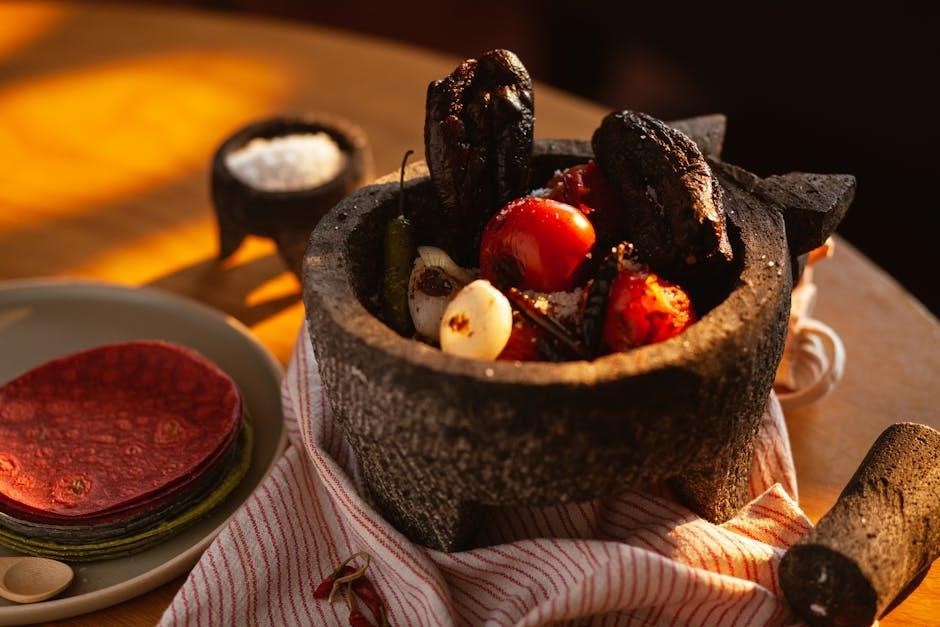
Early History and Development
Early development of manual grinders involved transitioning from entirely manual chopping to mechanical assistance‚ driven by the need for faster‚ more consistent food preparation methods.
Precursors to the Modern Grinder
Before dedicated mechanical grinders existed‚ cooks relied on laborious hand-chopping techniques to prepare meats and vegetables. These early methods‚ while effective‚ were incredibly time-consuming and yielded inconsistent results. Simplified versions emerged‚ offering slight efficiency gains but still demanding significant physical effort. These precursors demonstrate a long-standing need for improved food mincing‚ ultimately paving the way for the invention and refinement of the mechanical meat grinder‚ revolutionizing culinary practices.
The First Mechanical Meat Grinders
The initial mechanical meat grinders represented a significant leap forward from solely manual chopping. These early devices‚ appearing before widespread electrification‚ still relied on human power via a hand crank. They were essentially simplified machines designed to automate and expedite the mincing process. Though requiring effort‚ they offered improved efficiency and consistency‚ marking a pivotal moment in culinary history and food preparation techniques.
Evolution of Design: Early 19th Century
During the early 19th century‚ manual meat grinder designs began to evolve‚ focusing on improved functionality and durability. Cast iron and steel became prevalent materials‚ offering robustness for repeated use. Early models featured basic screw mechanisms to force meat through perforated plates. These grinders‚ though still labor-intensive‚ represented a refinement over previous chopping methods‚ laying the groundwork for future innovations.

Types of Manual Food Grinders
Manual food grinders come in various configurations‚ notably top-fed and side-fed designs‚ alongside single or double-screw mechanisms‚ impacting efficiency and ease of use.
Top-Fed vs. Side-Fed Grinders
Top-fed manual grinders feature a hopper positioned directly above the grinding mechanism‚ allowing gravity to assist in feeding the food. This design is often favored for its simplicity and ease of use‚ particularly with meats. Side-fed grinders‚ conversely‚ require the user to actively push food into the grinding mechanism from the side.
While potentially requiring more effort‚ side-fed models can offer greater control over the food’s entry and are sometimes preferred for processing vegetables or softer ingredients. The choice often depends on the user’s preference and the intended application.
Single-Screw vs. Double-Screw Mechanisms
Single-screw mechanisms in manual grinders utilize one auger to push food towards the cutting blades. This is the more common and simpler design‚ offering a balance of efficiency and affordability. Double-screw mechanisms‚ though less prevalent‚ employ two intermeshing screws.
This configuration provides a more positive feed‚ potentially handling tougher materials with greater ease and reducing the risk of clogging. However‚ double-screw grinders are typically more complex and expensive to manufacture.
Materials Used in Construction: Cast Iron & Steel
Cast iron historically dominated manual grinder construction due to its affordability‚ durability‚ and ability to maintain shape. Early models heavily relied on this material for the grinder body‚ providing a stable base. However‚ steel gradually became favored for critical components like blades and grinding plates.
Steel offered superior strength and resistance to wear‚ ensuring longevity and efficient food processing. Modern grinders increasingly utilize stainless steel for hygiene and corrosion resistance.

Components of a Manual Food Grinder
Manual food grinders consist of key parts: a hopper‚ grinding mechanism with blades and plates‚ a handle-driven system‚ and often‚ a suction base for stability.
The Hopper: Capacity and Design
The hopper‚ situated atop the grinder‚ serves as the food reservoir. Its capacity varies between models‚ influencing how much food can be processed continuously before refilling. Modern designs‚ like the LHS grinder‚ feature enlarged hopper sizes‚ enhancing efficiency. Historically‚ hoppers were smaller‚ requiring more frequent additions. The design prioritizes a funnel shape to guide food towards the grinding mechanism‚ ensuring a smooth and consistent flow during operation‚ maximizing user convenience.
The Grinding Mechanism: Blades and Plates
The grinding mechanism is the heart of the device‚ comprised of rotating blades and interchangeable plates. These plates‚ with varying hole sizes‚ dictate the fineness of the grind. Stainless steel blades‚ a modern improvement‚ offer durability and hygiene. The blades work in conjunction with the plates‚ forcing food through the holes‚ creating ground product; Efficient operation relies on a precise fit and sharp blades for optimal performance.
The Handle and Drive System
The handle and drive system translate human power into rotational force. Typically‚ a crank handle is connected to a gear system‚ efficiently transferring energy to the grinding blades. Effortless operation is a key design goal‚ with some models boasting improved gearing for reduced strain. The handle’s ergonomic design impacts user comfort‚ while robust construction ensures longevity and reliable performance during repeated use.
The Suction Base: Stability and Function
The suction base is a crucial component‚ providing stability during operation. Modern grinders frequently feature improved suction‚ ensuring a firm grip on countertops. This prevents unwanted movement while applying force to the handle. A strong suction base minimizes effort and maximizes efficiency‚ allowing focused grinding. Larger hopper sizes benefit from enhanced stability‚ preventing tipping during use.

Using a Manual Food Grinder
Effective use requires properly prepared meat – chilled and cut to size – and correct assembly; A consistent technique ensures efficient grinding and optimal results every time.
Preparing the Meat: Cutting and Chilling
Optimal grinding with a manual grinder necessitates careful meat preparation. Begin by cutting the meat into smaller‚ roughly one-inch cubes; this reduces strain on the machine and ensures even processing. Crucially‚ thoroughly chill the meat – partially freezing is ideal – as cold meat grinds much cleaner and prevents smearing. Warm meat will become mushy and difficult to manage‚ hindering efficiency and potentially damaging the grinder’s components. Remember‚ cold equals success!
Assembling the Grinder Correctly
Proper assembly is paramount for safe and effective operation of your manual food grinder. Begin by securely attaching the grinder to a stable surface using the suction base‚ ensuring a firm grip. Next‚ carefully insert the blade and then the grinding plate‚ aligning them correctly. Finally‚ attach the hopper‚ tightening it snugly. Incorrect assembly can lead to inefficient grinding or even injury‚ so double-check each step!
Grinding Process: Technique and Efficiency
Efficient grinding requires a steady‚ consistent cranking motion. Feed the prepared meat – chilled and cut into appropriately sized pieces – into the hopper gradually. Avoid overloading‚ as this can strain the mechanism. Maintain a moderate pace for optimal results‚ and use firm‚ even pressure. A smooth‚ continuous motion ensures a consistent grind‚ maximizing efficiency and minimizing effort.
Cleaning and Maintenance
Thorough cleaning is crucial after each use to prevent bacterial growth and ensure longevity. Disassemble the grinder completely‚ washing all parts with warm‚ soapy water. Pay close attention to the blades and plates‚ removing any lingering food particles. Dry all components completely before reassembling‚ and occasionally lightly oil moving parts for smooth operation.
Modern Manual Grinders & Features
Contemporary manual grinders boast enhanced features like durable stainless steel blades‚ improved suction bases for stability‚ and larger hoppers for increased food capacity.
Stainless Steel Blades: Durability and Hygiene
Modern manual food grinders increasingly utilize stainless steel blades‚ a significant upgrade from older cast iron versions. This material offers exceptional durability‚ resisting corrosion and wear even with frequent use. Beyond longevity‚ stainless steel provides superior hygiene; it’s non-porous‚ preventing bacterial buildup and ensuring food safety.
Cleaning is also simplified with stainless steel‚ contributing to a more sanitary food preparation process. These blades maintain sharpness longer‚ reducing the effort needed for grinding.
Improved Suction Bases for Stability
A common challenge with older manual grinders was instability during operation. Modern designs address this with significantly improved suction bases. These bases create a strong vacuum seal on smooth surfaces‚ preventing the grinder from shifting or moving while in use.
This enhanced stability makes grinding easier and safer‚ requiring less force to hold the unit steady. Powerful suction ensures efficient operation and minimizes user fatigue during food preparation.
Larger Hopper Sizes for Increased Capacity
Contemporary manual food grinders often feature enlarged hoppers compared to their antique counterparts. This design improvement allows for processing greater quantities of food with each cycle‚ reducing the frequency of refills.
A larger capacity is particularly beneficial when preparing substantial batches of meat for sausages or larger meals‚ streamlining the food preparation process and saving valuable time in the kitchen.
Manual vs. Electric Grinders
Manual grinders offer a cost-effective‚ space-saving alternative to electric models‚ prioritizing user control and eliminating reliance on electricity for food preparation tasks.
Advantages of Manual Grinders
Manual food grinders boast several compelling advantages. They require no electricity‚ making them ideal for off-grid living or power outages. Their compact size saves valuable counter space‚ unlike bulky electric counterparts. Furthermore‚ manual grinders offer greater control over texture‚ allowing for customized grinding results.
They are also generally more affordable and easier to clean‚ with fewer parts to disassemble. The absence of an electric motor contributes to quieter operation‚ and their durable construction often ensures longevity.
Disadvantages of Manual Grinders
Manual food grinders‚ while charming‚ present certain drawbacks. They demand significant physical effort‚ especially when processing large quantities of food or tougher cuts of meat. Grinding speed is considerably slower compared to electric models‚ increasing preparation time.
Consistent results can be challenging to achieve‚ relying heavily on the user’s strength and technique. Individuals with limited hand strength or mobility may find them difficult to operate effectively.
When to Choose Manual Over Electric
Manual food grinders excel in situations where electricity isn’t available‚ like camping or off-grid living. They’re ideal for small batches‚ offering greater control over texture and preventing over-processing. For those embracing sustainable kitchen practices‚ a manual grinder reduces energy consumption.
Collectors valuing vintage tools or individuals seeking a connection to traditional food preparation methods will also appreciate their unique appeal.
Applications Beyond Meat Grinding
Manual food grinders aren’t limited to meat! They efficiently process vegetables for sauces‚ create fresh breadcrumbs‚ and handle nuts and seeds for diverse culinary creations.
Grinding Vegetables for Sauces
Manual food grinders excel at transforming firm vegetables into the perfect texture for homemade sauces. Unlike food processors‚ they offer greater control over consistency – crucial for achieving desired sauce smoothness. Tomatoes‚ onions‚ peppers‚ and even root vegetables like carrots can be efficiently processed. This method preserves vegetable flavor‚ avoiding the oxidation sometimes caused by electric appliances‚ resulting in vibrant‚ fresh-tasting sauces. The manual process also allows for smaller batch preparation‚ ideal for specific recipe needs.
Making Breadcrumbs
Manual food grinders provide an excellent alternative to store-bought breadcrumbs‚ offering superior freshness and control over texture. Stale bread‚ cubed and fed through the grinder‚ yields coarse or fine crumbs depending on the chosen plate. This method avoids preservatives and additives often found in commercial varieties. Homemade breadcrumbs enhance dishes like meatballs‚ coatings for fried foods‚ and toppings for casseroles‚ delivering a delightful‚ homemade flavor.
Processing Nuts and Seeds
Manual food grinders are surprisingly effective for processing nuts and seeds‚ creating ingredients for various culinary applications. From coarsely chopping nuts for baking to grinding seeds into flavorful pastes‚ the grinder offers versatility. Achieving desired consistency—fine powders or chunky textures—is easily controlled. This method preserves the natural oils and flavors‚ enhancing recipes like pesto‚ nut butters‚ and seed-based coatings.

Collecting Antique Manual Grinders
Antique manual grinders offer a tangible link to culinary history‚ showcasing evolving designs and craftsmanship. They’re functional tools and captivating pieces of vintage kitchenware.
Identifying Valuable Antique Models
Determining the value of antique manual grinders requires careful observation. Look for models crafted from durable materials like cast iron and steel‚ indicating longevity. Early 19th-century designs‚ or those with unique patent markings‚ often command higher prices.
Condition is paramount; well-preserved grinders with original parts are more desirable. Top-fed models and those from established manufacturers are frequently sought after by collectors‚ representing a physical link to culinary past.
Restoration and Preservation
Restoring antique manual grinders demands a gentle approach. Begin by carefully cleaning‚ avoiding abrasive materials that could damage the original finish. Replace missing parts with authentic reproductions whenever possible‚ maintaining historical accuracy.
Preservation involves protecting against rust; light oiling can help. Avoid over-restoration‚ as some patina adds character and value. Proper storage is crucial‚ shielding grinders from moisture and extreme temperatures to ensure longevity.
The Appeal of Vintage Kitchen Tools
Vintage manual grinders offer a tangible connection to culinary traditions‚ embodying a slower‚ more deliberate approach to food preparation. They represent a time before convenience dominated‚ showcasing craftsmanship and durability;
Collectors appreciate their aesthetic charm and historical significance‚ viewing them as functional art. Owning these tools isn’t just about utility; it’s about preserving a piece of the past and celebrating culinary heritage.
Troubleshooting Common Issues
Manual grinders can sometimes experience issues like difficult turning‚ meat jams‚ or suction base failures. Regular cleaning and proper assembly are key to resolving these problems.
Grinder Not Turning Smoothly
If your manual grinder feels stiff‚ several factors could be at play. First‚ ensure all components are correctly assembled‚ as misalignment creates friction. Secondly‚ thoroughly clean the grinding mechanism; accumulated meat fibers significantly impede smooth operation. A light coating of food-grade oil on moving parts can also help. Finally‚ check for any bent or damaged blades or plates‚ as these will cause resistance and require replacement for optimal performance.
Meat Getting Stuck
When meat consistently gets stuck in your manual grinder‚ proper preparation is key. Ensure the meat is sufficiently chilled – partially frozen is ideal – and cut into smaller pieces before feeding it into the hopper. Avoid overloading the grinder; feed meat in steadily‚ allowing the mechanism to process it efficiently. Regularly check and clean the grinding plate and blades to prevent buildup.
Suction Base Not Holding
If the suction base of your manual grinder fails to adhere‚ ensure the countertop surface is smooth‚ clean‚ and dry. Press the base down firmly to expel any air‚ creating a strong seal. Modern grinders boast improved suction‚ but older models may struggle on textured surfaces. A damp cloth under the base can sometimes enhance adhesion.

Where to Buy Manual Food Grinders
Manual food grinders are readily available online through retailers like Amazon‚ alongside specialty kitchen stores and antique shops offering vintage options.
Online Retailers (Amazon‚ etc.)
Online marketplaces‚ particularly Amazon‚ present a vast selection of manual food grinders‚ ranging from budget-friendly options to premium‚ heavy-duty models with stainless steel blades. These platforms frequently feature customer reviews‚ aiding informed purchasing decisions. Beyond Amazon‚ specialized kitchenware websites also stock grinders‚ often providing detailed product specifications and comparisons. Convenient shipping and competitive pricing make online retailers a popular choice for acquiring these essential kitchen tools‚ ensuring accessibility for all cooks.
Specialty Kitchen Stores
Specialty kitchen stores offer a curated selection of manual food grinders‚ often emphasizing quality and durability. Knowledgeable staff can provide personalized recommendations based on individual needs and intended use‚ unlike broader online retailers. These stores frequently carry higher-end brands and models‚ alongside accessories and helpful advice on proper usage and maintenance. The hands-on experience of examining the grinders before purchase is a significant advantage‚ ensuring a satisfying culinary investment.
Antique Shops and Auctions
Antique shops and auctions present unique opportunities to discover vintage manual food grinders‚ often with historical significance and charm. These sources can yield valuable models for collectors‚ offering a tangible link to culinary pasts. Restoration projects are common finds‚ requiring patience and skill. Prices vary greatly depending on condition‚ rarity‚ and provenance‚ demanding careful evaluation before bidding or purchasing. It’s a treasure hunt for functional art!
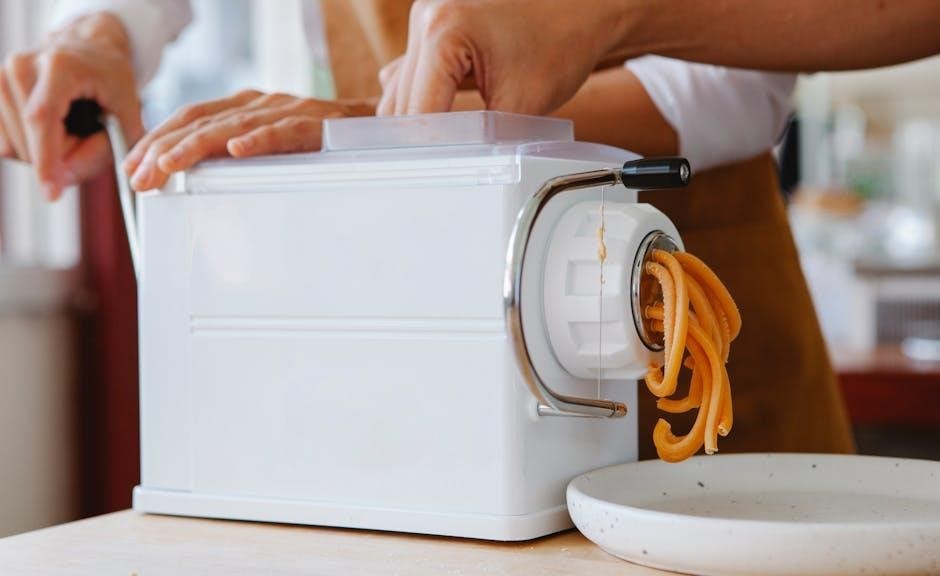
The Future of Manual Food Grinders
Manual grinders are experiencing a resurgence fueled by home cooking trends and sustainable practices‚ hinting at potential design innovations for modern kitchens.
Resurgence in Home Cooking
A renewed interest in homemade meals is driving demand for traditional kitchen tools like manual food grinders. Consumers are increasingly seeking control over ingredients and processes‚ moving away from pre-packaged options. This trend fosters a desire for authentic culinary experiences and a connection to food preparation.
The simplicity and reliability of manual grinders appeal to those embracing slower‚ more mindful cooking methods‚ aligning with a broader cultural shift towards intentional living and self-sufficiency.
Sustainable Kitchen Practices
Manual food grinders champion eco-conscious cooking by eliminating electricity consumption‚ reducing reliance on energy grids‚ and minimizing the carbon footprint associated with electric appliances. Their durable construction‚ often utilizing cast iron and steel‚ promotes longevity and reduces the need for frequent replacements.
This aligns with growing consumer awareness regarding waste reduction and a preference for long-lasting‚ repairable kitchen tools‚ fostering a more sustainable lifestyle.
Potential Design Innovations
Future manual grinders could integrate ergonomic advancements‚ enhancing user comfort and reducing strain during operation. Exploring modular designs allowing for easy disassembly and cleaning is also promising. Incorporating bio-based or recycled materials into construction would further boost sustainability.
Additionally‚ adaptable plate attachments for diverse textures and food types could broaden functionality‚ appealing to a wider range of culinary needs.