guided bear hunts in tennessee
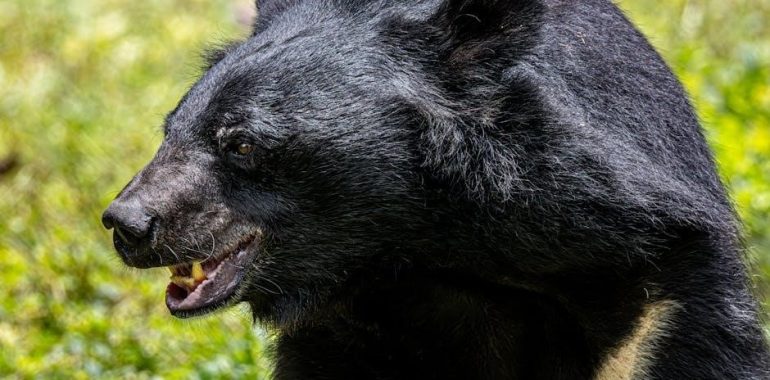
guided bear hunts in tennessee
Guided Bear Hunts in Tennessee: A Comprehensive Plan
Tennessee’s fall hunting season, particularly in Middle Tennessee, begins in November, offering exciting opportunities for guided bear hunts amidst crisp air and changing landscapes.
Tennessee presents a unique and rewarding experience for bear hunters, blending challenging terrain with a healthy and growing bear population. The state’s diverse landscapes, ranging from the rugged mountains of East Tennessee to the hardwood forests of the Middle and West regions, provide varied hunting opportunities. November traditionally marks the start of the busiest period for fall hunting, including bear, with the crisp air and changing foliage adding to the allure.
Guided bear hunts are particularly popular, offering hunters of all experience levels the chance to successfully harvest a trophy black bear. These hunts leverage the expertise of seasoned professionals who possess intimate knowledge of bear behavior, habitat, and hunting regulations within the state. A valid hunting license is generally required, though exceptions exist for certain individuals, like minors, making preparation key.
Historical Overview of Bear Populations in Tennessee
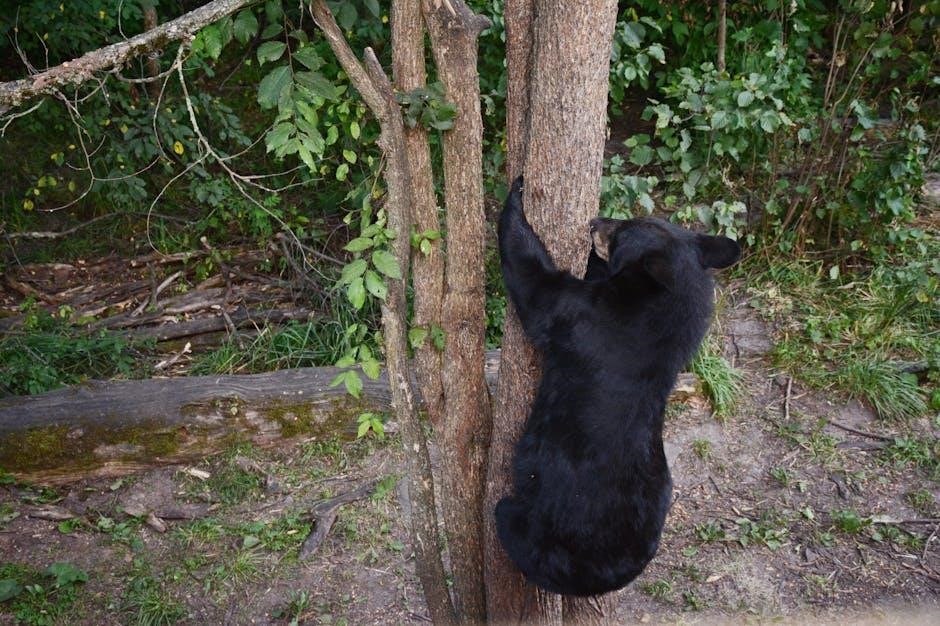
Historically, black bears thrived throughout Tennessee, coexisting with Native American populations who utilized them for sustenance and cultural purposes. However, by the mid-20th century, unregulated hunting and habitat loss dramatically reduced bear numbers, leading to localized extirpations in some areas. Conservation efforts, initiated in the 1950s, focused on habitat restoration and regulated hunting seasons, aiming to rebuild the bear population.
These early initiatives, coupled with the natural resilience of black bears, proved successful. Reintroduction programs in specific regions further bolstered the recovery. Today, Tennessee boasts a thriving bear population, distributed across the state, allowing for regulated hunting seasons, including the popular November kick-off to fall hunting. This success story highlights the importance of proactive wildlife management and responsible hunting practices.
Current Bear Population and Distribution
Currently, Tennessee sustains a healthy and growing black bear population, estimated to be over 6,000 individuals. The distribution is not uniform across the state; the highest concentrations are found in the mountainous regions of East Tennessee, particularly within the Cherokee and Great Smoky Mountains National Parks. Significant populations also exist in the Cumberland Plateau and portions of Middle Tennessee.
While historically sparse, bear numbers are increasing in West Tennessee due to successful re-establishment efforts and habitat improvements. This expanding range necessitates ongoing monitoring by the Tennessee Wildlife Resources Agency (TWRA) to manage human-bear interactions and ensure the long-term health of the population. The November hunting season is carefully managed based on these population estimates and distribution patterns.
Tennessee Wildlife Resources Agency (TWRA) Regulations
The Tennessee Wildlife Resources Agency (TWRA) meticulously regulates bear hunting to maintain a sustainable population and ensure fair chase. A valid hunting license is generally required for all hunters, though exemptions exist for minors under specific conditions. TWRA establishes annual hunting seasons, zone-specific dates, and bag limits based on ongoing population surveys and habitat assessments.
Regulations cover permissible hunting methods, reporting requirements for harvested bears, and ethical hunting practices. Hunters must adhere to these rules to avoid penalties and contribute to responsible wildlife management. The agency actively monitors hunter success rates and bear harvest data to refine regulations and adapt to changing population dynamics, especially during the busy November season.
Licensing and Permit Requirements for Bear Hunting
Tennessee mandates specific licenses and permits for bear hunting, differing between residents and non-residents. Generally, a valid Tennessee hunting license is the foundational requirement. Beyond this, a dedicated bear hunting permit is essential, obtained through the TWRA application process. This permit ensures regulated harvest and population monitoring.
The application process typically involves an online system or mail-in forms, with deadlines preceding the hunting season. Non-residents often face limited permit availability and potentially higher fees. Hunters must demonstrate proof of previous hunting experience or complete a bear hunter education course. Compliance with these requirements is crucial for legal participation in guided bear hunts, particularly during the peak November season.
Resident vs. Non-Resident Licenses
Tennessee distinguishes significantly between resident and non-resident hunting license fees and availability, impacting guided bear hunts. Residents enjoy lower license costs and generally have greater access to permits, reflecting their contribution to state wildlife management through taxes. Non-residents face substantially higher fees, often exceeding resident costs by several times, due to their external status.
Permit allocation also favors residents, with a limited quota reserved for non-residents, creating competitive demand. This disparity stems from the principle of prioritizing access for those who permanently reside within the state. Hunters participating in guided hunts must verify their residency status during the application process, presenting proof of domicile to secure the appropriate license and permit for a legal and ethical hunt.
Bear Hunting Permit Application Process
Tennessee’s bear hunting permit application is a crucial step, often conducted online through the Tennessee Wildlife Resources Agency (TWRA) website. The process typically opens in the spring, with a deadline well before the hunting season begins in November. Applicants must possess a valid Tennessee hunting license before applying for the bear permit.
The application requires detailed information, including hunting zone preference, hunter contact details, and proof of previous hunting experience or education. A lottery system is frequently employed, especially for popular zones, due to high demand. Successful applicants are notified, and permits are issued electronically or by mail. It’s vital to carefully review all regulations and requirements before submitting the application to ensure eligibility and compliance.
Hunting Seasons and Zones
Tennessee divides its bear hunting opportunities into distinct zones – East, Middle, and West Tennessee – each with specific season dates and regulations. Generally, the bear hunting season commences in November, coinciding with the peak of fall hunting activity. The East Tennessee zone typically offers the longest season, reflecting the higher bear population density in the mountainous regions.
Middle Tennessee experiences a shorter season, while the West Tennessee zone often has the most restrictive dates and bag limits due to lower bear numbers. Season length varies annually, determined by the TWRA based on population surveys and management goals. Bag limits are also zone-specific, usually allowing for one bear per hunter per season, though exceptions may apply.
Specific Dates for Different Zones (East, Middle, West Tennessee)
While exact dates fluctuate yearly based on TWRA assessments, typical season frameworks exist. The East Tennessee bear hunting season often begins in the third week of November and can extend through January, providing a lengthy hunting window. Middle Tennessee generally opens concurrently with the East, but closes earlier, usually by mid-December.
West Tennessee presents the most limited timeframe, frequently starting in late November and concluding before Christmas. Hunters must consult the official TWRA hunting guide for precise dates, as these are subject to change. These dates are crucial for planning a guided bear hunt, ensuring compliance with state regulations and maximizing hunting success within each designated zone.
Season Length and Bag Limits
Tennessee bear hunting seasons vary significantly by zone, impacting the overall length of opportunity. East Tennessee typically boasts the longest season, potentially spanning over two months, while Middle Tennessee offers a shorter, approximately six-week window. West Tennessee generally has the briefest season, often lasting only a few weeks.
Regarding bag limits, TWRA regulations generally permit one bear per hunter per calendar year statewide. However, specific county-level restrictions may apply, particularly in areas with lower bear densities. Hunters must meticulously review the TWRA hunting guide to confirm the applicable bag limit for their chosen hunting location, ensuring legal and ethical harvest practices during their guided hunt.
The Benefits of a Guided Bear Hunt
Guided bear hunts in Tennessee offer significant advantages, especially for hunters unfamiliar with the terrain or bear behavior. Experienced guides possess intimate knowledge of local bear populations, their movements, and preferred habitats, dramatically increasing the chances of a successful hunt. They handle logistical complexities, including scouting, baiting (where permitted), and navigating regulations.
Furthermore, guides prioritize hunter safety, providing expertise in bear encounter protocols and ensuring responsible hunting practices. A guided hunt minimizes the learning curve, allowing hunters to focus on the experience and ethical harvest. This is particularly valuable for non-residents navigating Tennessee’s specific hunting laws and licensing requirements, maximizing their time and investment.
Choosing a Reputable Outfitter
Selecting a trustworthy outfitter is crucial for a successful and ethical Tennessee bear hunt. Prioritize outfitters with extensive experience specifically guiding bear hunts in the desired zone – East, Middle, or West Tennessee. Thoroughly investigate their references; speak directly with past clients to gauge satisfaction and hunt quality.
Inquire about success rates, but understand these can vary. A reputable outfitter will be transparent about realistic expectations. Crucially, verify their adherence to all Tennessee Wildlife Resources Agency (TWRA) regulations and ethical hunting standards. Don’t hesitate to ask detailed questions about their hunting methods, safety protocols, and included services. A clear contract outlining all costs and responsibilities is essential for a worry-free experience.
Factors to Consider: Experience, References, Success Rates
Experience is paramount when choosing a Tennessee bear hunting outfitter. Seek those with years dedicated specifically to bear hunts within the region, demonstrating intimate knowledge of bear behavior and prime hunting locations. References from previous hunters are invaluable; contact them directly to assess the outfitter’s professionalism, communication, and overall hunt quality.
Success rates offer insight, but interpret them cautiously. A high rate isn’t guaranteed, as bear hunting inherently involves variables. Focus on an outfitter’s honesty regarding realistic expectations and their commitment to ethical hunting practices. Investigate their track record with TWRA compliance and client satisfaction. A combination of experience, positive references, and transparent communication builds confidence in a worthwhile investment.
Questions to Ask Potential Outfitters
Before committing, thoroughly vet potential Tennessee bear hunting outfitters with targeted questions. Inquire about their specific guiding philosophy – do they prioritize a quality experience over simply harvesting a bear? Ask about the typical hunter-to-guide ratio, ensuring personalized attention. Clarify what’s included in the hunt package: lodging, meals, transportation, and trophy care.
Probe their knowledge of TWRA regulations and their adherence to ethical hunting standards. Understand their baiting strategies (if applicable) and their contingency plans for inclement weather. Don’t hesitate to ask about their success rates for similar hunters and their policies regarding wounded animals. A responsive and forthcoming outfitter demonstrates professionalism and respect for your investment.
Hunting Methods Permitted in Tennessee
Tennessee allows several methods for legally harvesting bear during designated hunting seasons. These include the use of firearms – centerfire rifles, shotguns, and muzzleloaders are all permitted, subject to specific caliber and gauge restrictions outlined by the TWRA. Archery equipment, including compound and traditional bows, is also a popular choice, with minimum draw weight requirements.
Baiting is a commonly employed tactic, but strict regulations govern its use, including permissible bait types and placement restrictions. Hunting with dogs is permitted in certain zones and under specific conditions. It’s crucial for hunters, especially those participating in guided hunts, to be fully aware of and compliant with all applicable regulations to ensure a legal and ethical harvest.
Bear Hunting Techniques Employed by Guides
Experienced guides in Tennessee utilize a variety of techniques to maximize hunter success. Baiting is prevalent, strategically placing attractants like corn or prepared lures to draw bears into shooting range, always adhering to TWRA regulations regarding distance from roads and dwellings. Spot and stalk methods are also common, requiring guides to locate bear sign – tracks, scat, rubs – and then carefully approach a bear for a shot.
Guides possess intimate knowledge of bear travel corridors and feeding habits, increasing the odds of a successful hunt. They often employ scouting techniques, utilizing trail cameras to monitor bear activity and identify prime hunting locations. Effective communication and hunter placement are key components of their strategies.
Baiting Regulations and Strategies
Tennessee Wildlife Resources Agency (TWRA) regulations heavily govern bear baiting practices. Bait sites must be established a specific distance from roadways, dwellings, and other public access points to ensure safety and minimize human-bear conflict. The type of bait permitted is also regulated; commonly used attractants include corn and commercially prepared bear lures, but restrictions may apply.
Guides expertly employ baiting strategies, considering prevailing wind direction and bear travel patterns. They often create multiple bait sites to increase hunter opportunities and monitor bear activity using trail cameras. Regularly refreshing bait and maintaining a clean bait site are crucial for attracting bears consistently. Adherence to all TWRA rules is paramount for legal and ethical hunting.
Spot and Stalk Techniques
Spot and stalk hunting for bear in Tennessee demands patience, keen observation skills, and a thorough understanding of bear behavior and habitat. Guides utilize their knowledge of bear travel corridors – often along ridges, saddles, and near food sources – to locate animals. Glassing from elevated positions provides a wider vantage point for spotting bears at a distance.
Once a bear is located, a carefully planned stalk is initiated, utilizing natural cover and wind direction to approach undetected. Success hinges on minimizing noise and movement. Guides prioritize safety, ensuring hunters are aware of escape routes and potential hazards. This method requires physical fitness and the ability to navigate challenging terrain, offering a rewarding and challenging hunting experience.
Essential Gear and Equipment for Tennessee Bear Hunts
Tennessee bear hunts necessitate robust gear for safety and success. A high-powered rifle with appropriate ammunition is paramount, alongside quality binoculars for spotting. Durable, waterproof hunting clothing is crucial, given variable weather conditions. Sturdy hiking boots, capable of navigating rugged terrain, are essential, as are a comfortable pack for carrying supplies.
Bear spray is a vital safety item, offering a deterrent in close encounters. A rangefinder aids in accurate shot placement. Don’t forget essential survival tools – a knife, first-aid kit, map, and compass or GPS. Guides often provide specialized equipment, but hunters should confirm requirements beforehand to ensure a well-prepared and enjoyable experience.
Safety Precautions During a Bear Hunt
Bear hunting demands strict adherence to safety protocols. Always hunt with a reputable guide familiar with the terrain and bear behavior. Maintain situational awareness, constantly scanning your surroundings. Carry bear spray and know how to use it effectively – it’s a crucial deterrent. Inform someone of your hunting location and expected return time.
Proper firearm handling is non-negotiable; practice safe gun handling techniques. Be mindful of wind direction when scent control is vital. Understand bear behavior; avoid approaching cubs or disturbing dens. In the event of an encounter, remain calm, assess the situation, and follow your guide’s instructions. Prioritize safety above all else for a responsible hunt.
Bear Behavior and Identifying Signs
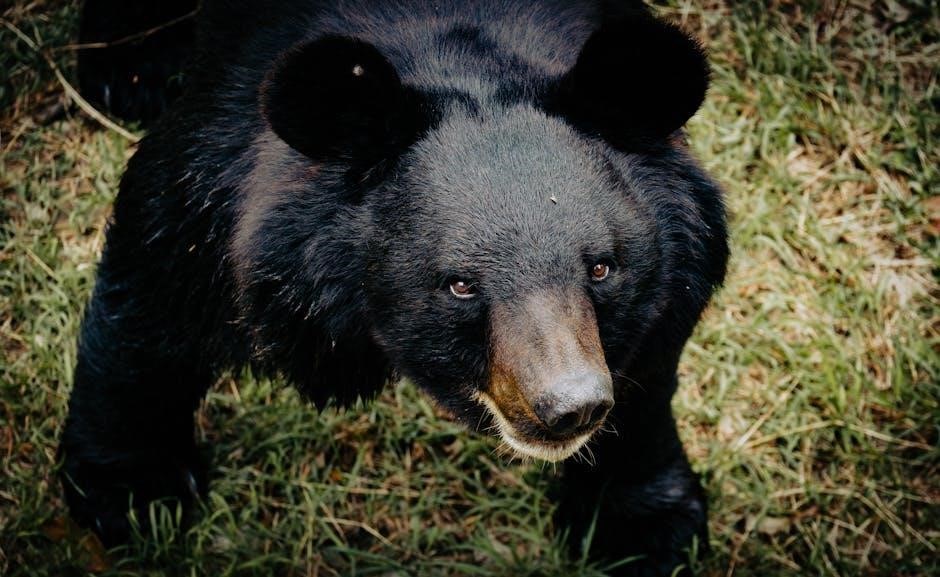
Understanding bear behavior is paramount for a safe and successful hunt. Black bears are generally wary of humans, but can become aggressive if surprised, protecting cubs, or defending a food source. Recognizing signs of bear presence is crucial; look for tracks, scat, claw marks on trees (rubs), and overturned logs indicating foraging.
Bears often follow natural food sources like berries and nuts, so scouting these areas can increase your chances of finding them. Pay attention to changes in animal behavior – squirrels sounding alarms or birds suddenly becoming quiet can signal a bear nearby. Guides are skilled at interpreting these signs and predicting bear movements, enhancing your hunting experience.
Ethical Hunting Practices
Responsible bear hunting in Tennessee demands strict adherence to ethical principles. This includes ensuring a quick, clean kill to minimize suffering, and respecting the animal throughout the hunt. Hunters should strive for accurate shot placement, utilizing appropriate caliber firearms and practicing beforehand.
Proper field dressing and meat care are also essential, demonstrating respect for the harvested animal and ensuring the meat is usable. Following all TWRA regulations regarding fair chase and legal hunting methods is non-negotiable; Guided hunts often emphasize ethical conduct, with outfitters promoting responsible hunting practices and conservation efforts, contributing to sustainable bear populations.
Trophy Care and Reporting Requirements
Proper trophy care is crucial following a successful bear hunt in Tennessee. Immediate field dressing, cooling, and protecting the hide are paramount to preserve the quality of both the meat and potential trophy. Many outfitters offer assistance with these initial steps, including arranging transport to processing facilities.
Tennessee Wildlife Resources Agency (TWRA) mandates reporting all harvested bears. Hunters must submit detailed harvest information, including location, date, and bear characteristics, often through an online system or designated check stations. This data is vital for ongoing bear population monitoring and management. Failure to report can result in penalties, so understanding and fulfilling these requirements is essential for every hunter.
Cost of Guided Bear Hunts in Tennessee
The financial investment for a guided bear hunt in Tennessee varies considerably, influenced by factors like outfitter reputation, hunt duration, and included amenities. Generally, hunters can anticipate costs ranging from $2,500 to $6,000 or more for a multi-day hunt. This typically encompasses the guide’s fee, access to hunting land, and potentially lodging and meals.
Additional expenses to budget for include Tennessee hunting licenses and bear permits, trophy care (taxidermy, meat processing), travel costs, and personal gear. Some outfitters offer package deals that bundle several of these components, potentially providing cost savings. Thoroughly clarifying what is included in the hunt price is crucial before making a commitment, ensuring a transparent and predictable financial experience.
Accommodation Options for Hunters
Tennessee offers a diverse range of lodging choices for bear hunters, catering to various preferences and budgets. Many outfitters include accommodation in their hunt packages, often utilizing comfortable hunting lodges or cabins situated near prime hunting grounds. These lodges frequently provide amenities like home-cooked meals, gear storage, and camaraderie with fellow hunters.

Alternatively, hunters can opt for independent lodging, selecting from hotels, motels, or vacation rentals in nearby towns. The availability and quality of these options depend on the specific hunting zone. For those seeking a more rustic experience, camping may be permitted on certain properties with prior arrangement. Careful consideration of proximity to hunting areas and desired comfort levels is key when choosing accommodation.
Impact of Bear Hunting on Ecosystem Health
Regulated bear hunting in Tennessee plays a crucial role in maintaining a healthy and balanced ecosystem. By controlling bear populations, hunting helps prevent overgrazing of vegetation and minimizes potential conflicts between bears and humans. A stable bear population contributes to seed dispersal, benefiting forest regeneration and biodiversity.
The Tennessee Wildlife Resources Agency (TWRA) carefully monitors bear populations and adjusts hunting regulations to ensure sustainability. Hunting revenue also funds conservation efforts, supporting habitat management and research. Responsible hunting practices, guided by ethical principles, are essential for preserving the ecological benefits bears provide. A well-managed hunt contributes to the long-term health of Tennessee’s forests and wildlife.
Legal Considerations and Liability
Participating in guided bear hunts in Tennessee necessitates understanding the legal framework and potential liabilities. Hunters must possess valid licenses and permits, adhering strictly to TWRA regulations regarding seasons, zones, and hunting methods. Outfitters are legally responsible for ensuring hunts comply with all state laws and for providing a safe experience.
Liability waivers are standard practice, outlining risks and releasing outfitters from certain claims. However, negligence on the outfitter’s part can still result in legal repercussions. Hunters should verify the outfitter’s insurance coverage and understand their own responsibilities regarding safe firearm handling and ethical conduct. Thoroughly reviewing contracts and understanding legal obligations is paramount for a legally sound hunting experience.
Future of Bear Hunting in Tennessee
The future of guided bear hunting in Tennessee hinges on continued responsible management of the bear population and habitat. TWRA closely monitors bear numbers and adjusts regulations – including seasons and bag limits – to ensure sustainability. Increased public awareness regarding bear conservation and responsible hunting practices will be crucial.
Potential challenges include habitat loss due to development and the impact of climate change. Maintaining healthy bear populations requires collaborative efforts between wildlife agencies, landowners, and hunters. Advancements in wildlife research and technology will likely play a role in refining management strategies, ensuring future generations can enjoy this treasured hunting tradition in Tennessee.